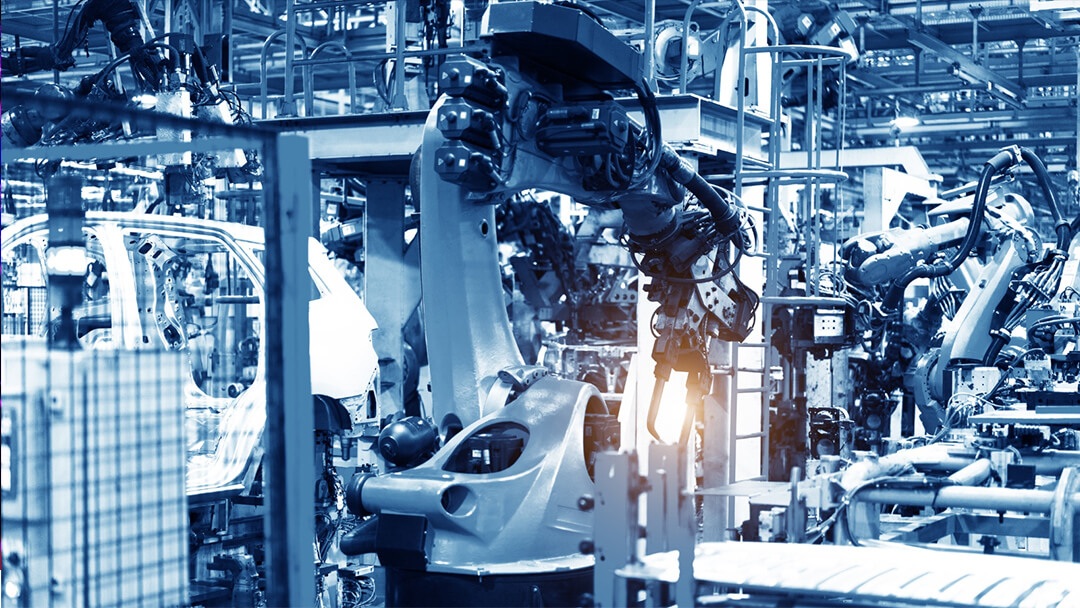
These days, the majority of car production lines all over the world are automated. The auto manufacturing industry is now free of the clanking, sparking chaos. Something that is quieter, more precise, and more self-aware has taken its place. The robotic arms move with balletic finesse. Welds and panel gaps are photographed in milliseconds. An algorithm in a control room is working away, predicting which machine will need service next Tuesday.
This AI in automotive manufacturing is happening in 2026! It is not a far-off sci-fi dream but a working everyday reality. With a CAGR of 54.1%, artificial intelligence is certainly no longer a buzzword. It has entered every conceivable phase of vehicle manufacturing, be it initial sketches or a finished moving car.
In this article, we will properly examine AI impacts on the automotive manufacturing industry, what technologies are behind the changes, what challenges remain, and what the future could potentially hold in this area.
Why AI Matters So Much to Car Manufacturers Right Now
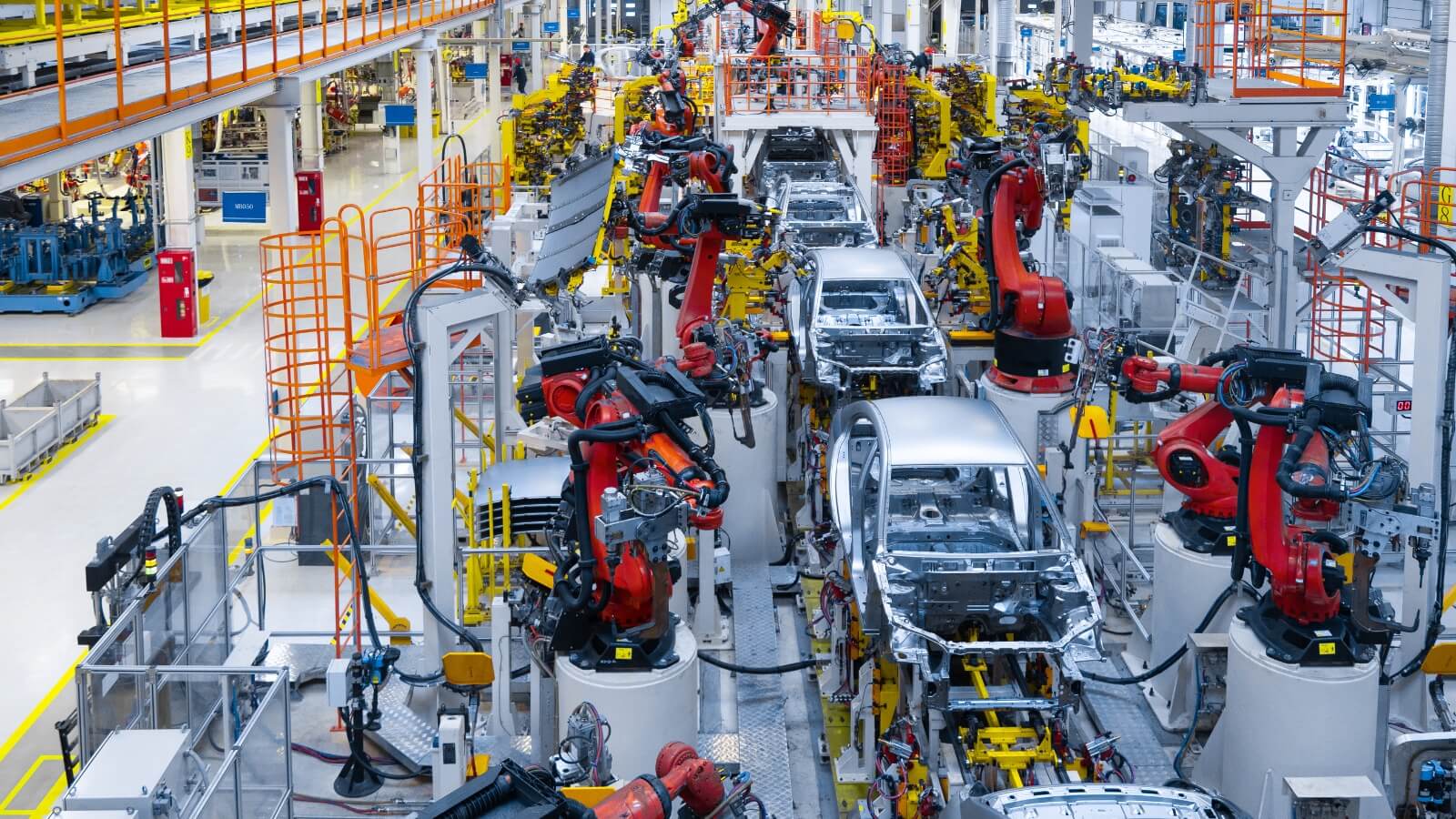
We know that the manufacturing sector has long been tested by the automobile industry.
A century ago, Henry Ford’s assembly line changed industrial production, and today’s manufacturers are facing similar pressures to reinvent themselves. This time it is all about electrification, tightening emissions regulations, the fragility of global supply chains, and consumers’ desire for better value and faster delivery.
This is when AI and machine learning in car manufacturing provide a way to tackle these pressures head-on. Unlike traditional automation, which performs predictable, pre-programmed actions, AI systems are capable of learning from data, adapting to new circumstances, and making real-time decisions.
As you can see, this distinction is what differentiates a simple automated factory from a factory that is now referred to as a smart factory.
Plus, manufacturers benefit from fewer defects, less downtime, reduced cost, and faster times to market.
For consumers, that often means more reliable arrivals of safer, better-built vehicles. Cloud technology is freeing financial services from the high costs of maintaining in-house systems.
Key Takeaways
- AI is now embedded across automotive manufacturing—driving predictive maintenance, quality inspection, robotics, and supply chain forecasting.
- Technologies like computer vision, digital twins, and cobots are helping manufacturers cut defects, downtime, and safety risks simultaneously.
- Robust software platforms can bring these AI capabilities together in one system, connecting shop-floor data with real-time decision-making.
- The result is measurable: less downtime, lower costs, and faster, smarter production without compromising quality.
The Role of AI in Automotive Manufacturing
AI is transforming automotive manufacturing by powering predictive maintenance, quality inspection, robotics, and supply chain optimisation — helping car makers cut downtime, reduce defects, and speed up production while improving worker safety across the assembly line.